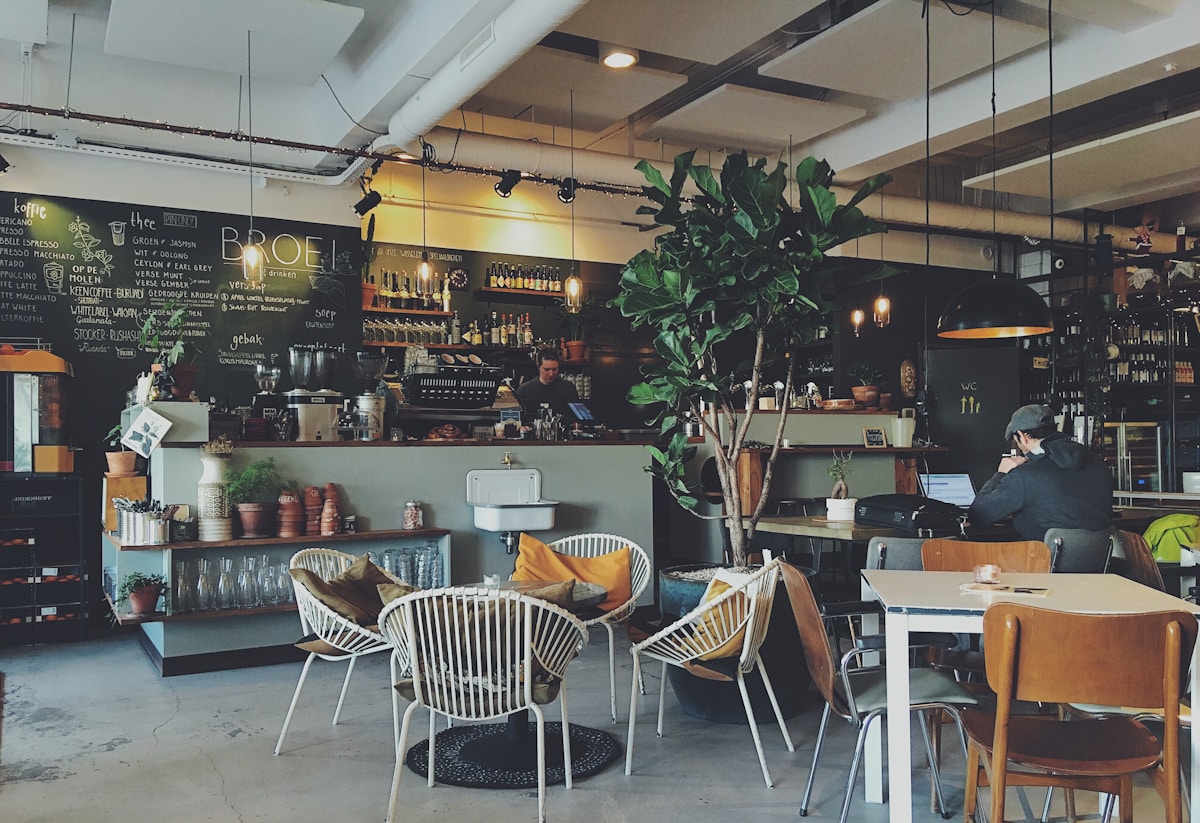
The uncle had my cup on the saucer before I chose a table.
That is why I come to this Hougang kopitiam instead of the bigger one by the mall. Not because the kopi is objectively superior — I have no certificate in tasting — but because he pours with the discipline of someone who has decided what full means and will not argue about it. At this hour the place still belongs to the slow people. Office staff have not yet filled the far tables. The auntie who runs the toast stall is still arranging eggs in the wire rack with the care of someone setting dowels in a row.
I sit where I can see the door without blocking it. Plastic chairs, laminated menu taped at the corners, the faint smell of kaya from a grill not yet at full heat. The uncle slides the saucer across. Before he moves on he adjusts the cup a quarter turn so the handle points the same way it pointed for the man two tables over. I noticed this only after the third visit. It is a small thing. It is also the whole thing.
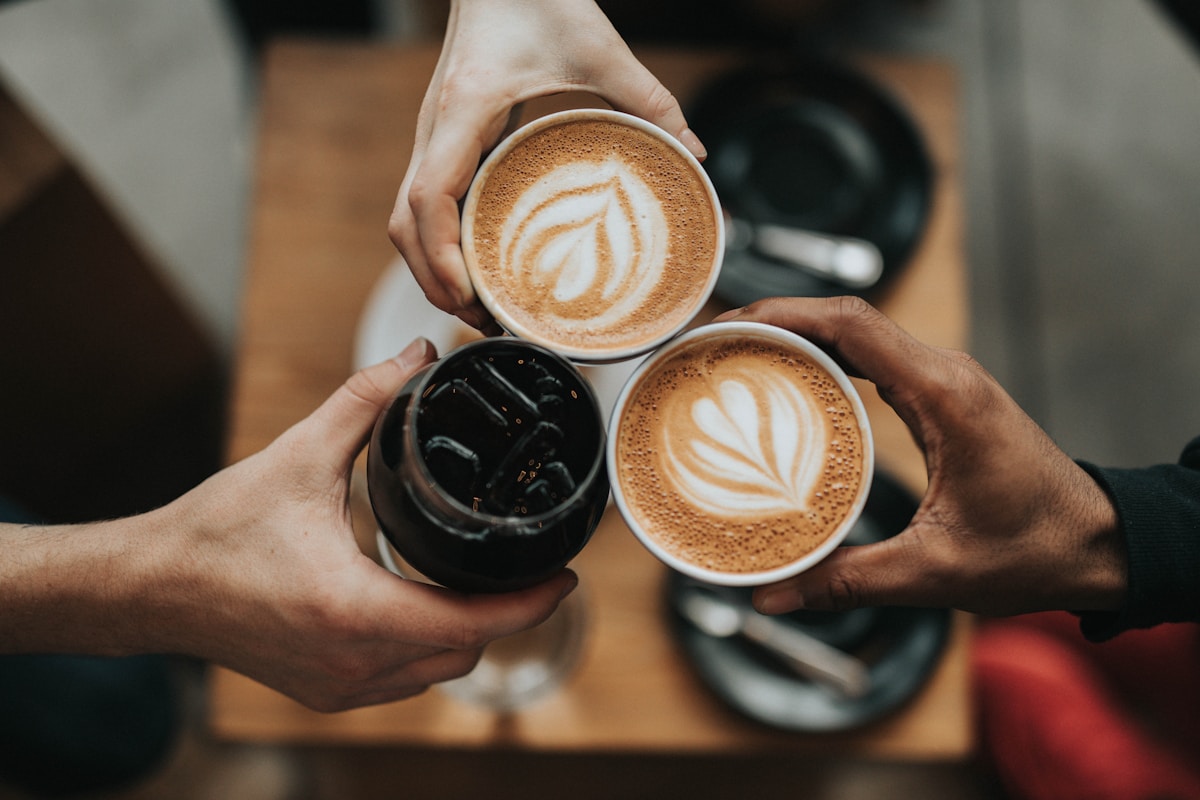
Through the window I can see the bus stop and the first commuters assembling with the resigned patience of people who know the 74 will be three minutes late on Tuesdays. A secondary school student buys a packet drink from the machine and stands with both hands around it, warming fingers that will soon hold a phone instead. I recognise the posture from my own school days — the need to hold something steady before the day asks you to move.
The kopitiam fills in layers. First the regulars who nod and receive their order without speaking. Then the couples splitting toast before separate MRT lines. Then the uncle's wife wiping tables with a cloth that has been washed so many times it feels like soft leather. Each arrival is a small sound — chair legs, spoon on saucer, the clink of coins into the jar by the register. The uncle never looks at the jar when someone drops extra change. He looks at the cup.
I watch him pour for the next table. Same tilt of the kettle. Same pause when the liquid reaches the inner mark only he can see. Same quarter turn of the handle. Three cups in a row, level as a shelf I once installed in my own kitchen that still does not sag. I thought about that shelf while the kopi cooled enough to drink. The bracket was wrong twice before it held. The uncle has found his bracket long ago.
I come here when I need the morning to arrive in straight lines instead of spills. Hougang is home, but this kopitiam is where I calibrate the day — not with ambition, with attention. I read nothing on my phone if I can help it. I watch the uncle work and count how many cups he levels before someone asks for less sugar and he adjusts without annoyance, the way a good repairman adjusts a hinge without blaming the door.
Today he wipes my table without being asked. I leave an extra twenty cents in the jar because the gesture felt like being seen in a city that often is not. The first bus groans away from the stop. Chairs scrape. The student boards without looking back. I finish the last inch of kopi, cool now but still good, and walk toward the MRT with the crowd that has materialised in the eight minutes since I looked away.
On the platform the air smells of detergent and someone's peanut bun. The train arrives. I stand aside for an auntie with a trolley bag and step in when the gap feels right. The kopitiam below returns to refilling cups for the next wave. I carry the quiet part of the morning with me until Kovan, where the crowd thickens and the day finally commits to being busy.
Same stall next week, probably. Same table if it is free. The uncle will level the cup before I sit. That is enough continuity for now.